


























About Development – Tbilisi Trams
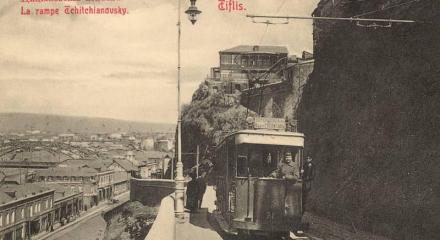
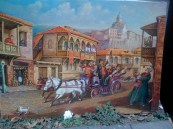
In 2004 the Tbilisi electric tram network celebrated its 100-year anniversary but just two years later it was closed due to its declining popularity and the prohibitive cost of overhaul. The story of the tramway began in 1883 with the first horse-drawn tramcar. These were replaced in 1904 by an electrified tramway line. One of the first electric … Continue reading
About Shopping – Traditional Carpets and Rugs
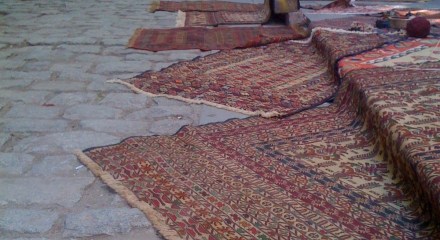
The history of carpet weaving in the Caucasus region dates back to the Middle Ages. Pieces of knotted pile carpet from the 13th and 14th centuries have been found in cave complexes in Georgia. Over the centuries, traders from Istanbul to Athens traveled to Tbilisi, Georgia, to trade in hand woven carpets at bazaars known … Continue reading
About Sights – Ananuri Fortress

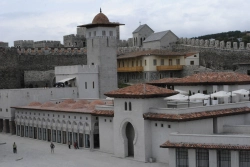
Ananuri (Georgian: ანანური) is a fortress situated on the foreland by the Aragvi River, not far from Zhinvali water reservoir and about 70 km from Tbilisi, Georgia. It was built by the Dukes of Aragvi and its earliest parts date from the 13th century. The fortress is on the UNESCO Tentative list. The fortress consist of two fortifications joined by a crenellated curtain … Continue reading
About Sights – Abanotubani Sulphur Baths
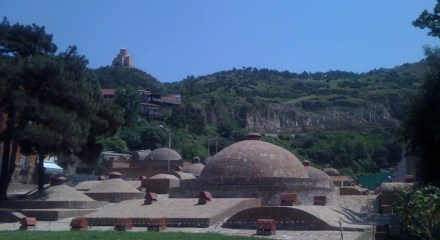
The “Abanotubani” is the name given to the district in the Old Town of Tbilisi where there is a whole street (Abanos kucha) of public bathhouses that use the sulphurous waters of the many hot springs in this area. Abanotubani is the place, where according to legend, King Vakhtang Gorgasali’s falcon fell, leading to the discovery of the hot springs … Continue reading
About Food – Georgian Bread (Part 1)

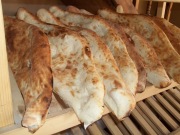
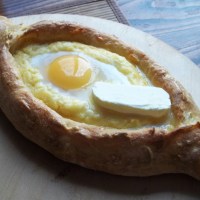
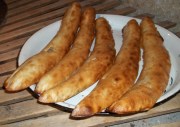
In Georgia, bread is called puri (pronounced “poo-ree”) and is traditionally baked in a deep circular clay oven called a tone (pronounced “ton-AY”). Traditional bread, especially the long pointed bread called shotis puri, is very popular and usually served with every meal. Most streets in Georgia have at least one traditional bakery. We went behind the scenes at … Continue reading
About Sights – Mtatsminda Park, Tbilisi
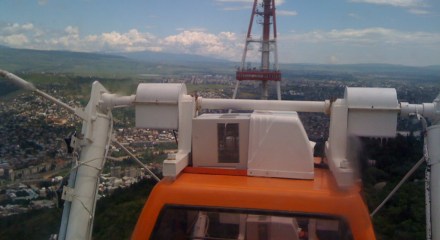
Mtatsminda is the mountain topped by the 210m-high TV mast that overlooks central Tbilisi. Located 800-metres above the city Mtatsminda Park (known as Bombora) spreads over more than 1 sq km and has been a popular fun spot for generations. In the days of the Soviet Union, Mtatsminda Park was the third most visited public park in the USSR, Gorky … Continue reading
About Shopping – Tbilisi Outdoor Art Market
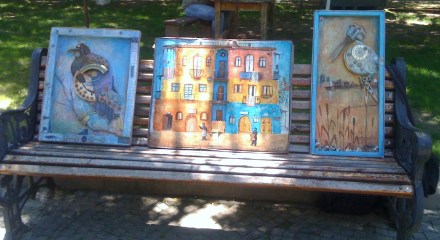
The open-air Dry Bridge Market by the Mtkvari river (on the “Dry Overpass” and surrounding areas) has become the city’s unofficial art bazaar. Here you can find paintings, sculpture, beautiful carvings, exquisite icons, pottery and fabrics. The work is amazing and prices are reasonable.
About Shopping – Made in Georgia
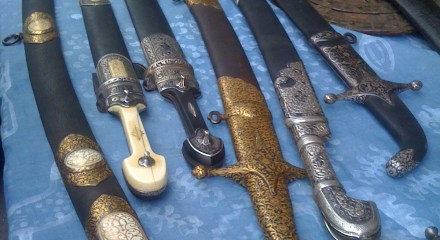
May 26 was Independence Day in Georgia. In the capital, Tbilisi, Rustaveli Avenue and Freedom Square were closed to traffic and became a showcase for around 270 Georgian companies to exhibit their products within the initiative Made in Georgia. President of Georgia, Mikheil Saakashvili and Tbilisi’s mayor both visited this “trade parade”. President Saakashvili at the “trade parade”.
About History – The Day of National Unity

April 9 is the Day of National Unity (ეროვნული ერთიანობის დღე) in Georgia. It commemorates a massacre that took place in Tbilisi on April 9 1989 when an anti-Soviet demonstration was dispersed by the Soviet Army, resulting in 20 deaths and hundreds of injuries. Tens of thousands of people had gathered before the House of … Continue reading
About Travel – Tbilisi Metro
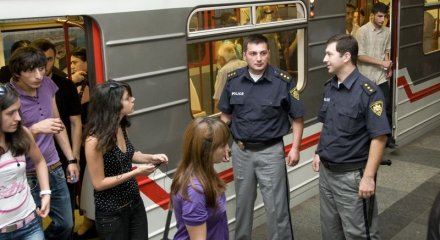
When it opened in 1966 the Tbilisi Metro was the fourth Metro system in the former Soviet Union (after Moscow, Saint Petersburg and Kiev). It consists of two lines with 22 stations on 26.4 kilometres of track. The Metro is a great way to get around the city and avoid traffic jams. It is also … Continue reading






















 Georgia About