


























About History – 19th Century Georgia in The Illustrated London News

Established by printer and newsagent Herbert Ingram The Illustrated London News was the world’s first illustrated weekly newspaper. The first issue appeared on Saturday 14 May 1842 and by 1863 the newspaper was selling more than 300,000 copies every week, a huge circulation in comparison to other British newspapers of the time. From about 1890 onward The Illustrated London News made increasing … Continue reading
About Art – Ivan Petrovich Pranishnikoff
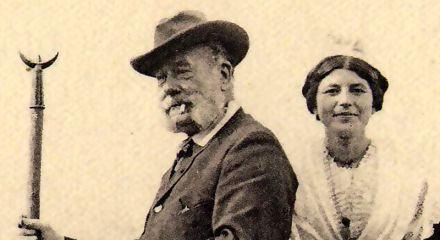
Ivan Petrovich Pranishnikoff was born in Kursk in Russia in 1841. During his life he was a painter, businessman, journalist, illustrator, cartoonist, translator, friend of Turgenev and friend and official painter of Tsar Alexander III. He fought for the unification of Italy alongside Garibaldi, and participated in the war of independence of Montenegro. Pranishnikoff was … Continue reading
About History – The ‘Spirit Wrestlers’ of Georgia
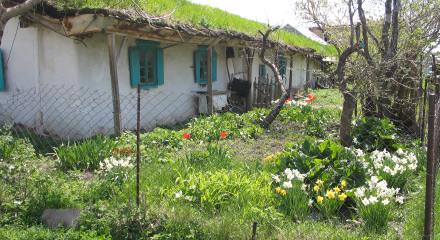
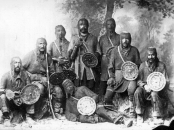
The Doukhobors (Russian: Духоборы) living in the Ninotsminda District of Samtskhe-Javaheti region of Georgia are a religious community exiled from Russia in the mid-19th century. The word Doukhobor means ‘spirit wrestler’ in Russian. Considered to be heretics by the Orthodox Church in Russia for their rejection of church ritual many Doukhobors chose exile in the Caucasus region … Continue reading
About History – The Photography of Dmitri Ermakov
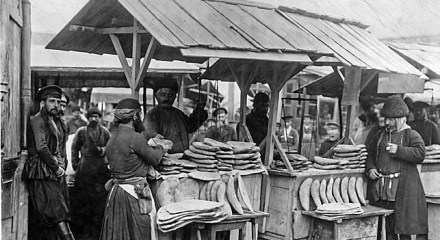
Dmitri Ivanovich Ermakov was born in Tiflis (the old name for Tbilisi) in Georgia in 1846. After graduating from the military topographic academy in Ananuri he opened his own photographic studio in Tiflis and by the end of the 1870s he was a renowned photographer, winning awards in many exhibitions in Moscow, Italy, Turkey and … Continue reading
About History – “Oath and Silver Eaten”
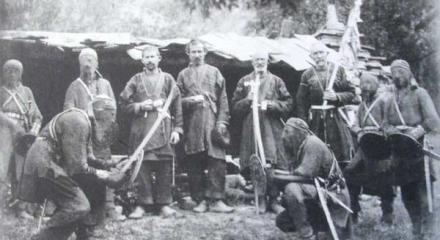
Hidden away from the outside world and only accessible by road for five to six months a year is the extraordinary land of the Khevsurs – Khevsureti. It is a place where ancient pagan traditions survive, and medieval fortress towers stand testament to centuries of conflict with neighbors and peoples of the North Caucasus. The practice of raiding each … Continue reading
About Culture – Atengenoba Festival
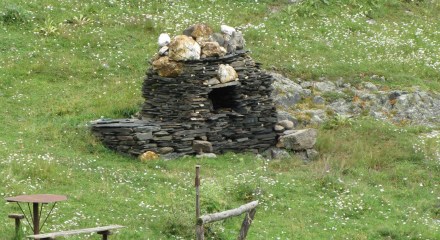
Around 100 days after Easter an ancient festival called “Atengenoba” (Georgian: ათენგენობა) takes place in villages in Tusheti (Georgian: თუშეთი), an isolated mountainous region in the north east of Georgia where life has remained largely unchanged for centuries. Although the Tush are Christian, their culture has retained elements of Georgia’s pre-Christian beliefs and pagan practices still persist. Each village … Continue reading
About Culture – Georgian Dance (Part 1)
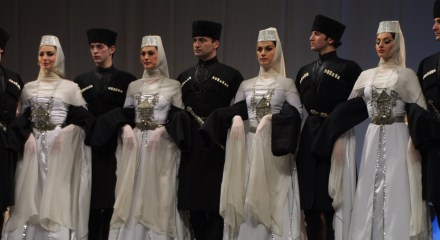
Georgian dance (Georgian: ქართული ცეკვა) is a celebration of life and of Georgia’s rich and diverse culture. Each dance portrays the characteristics of the region in which it originated. The mountain dances, such as Khevsuruli or Mtiuluri, are different from valley or lowland dances — e.g. Acharuli and Davluri. The costumes are different for every dance and resemble … Continue reading
About Art – “Statue of Love” in Batumi
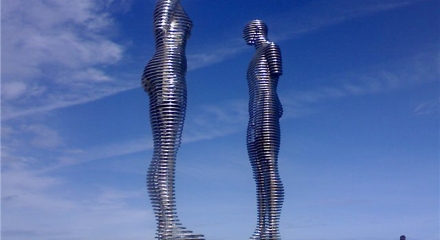
A 7 meter steel sculpture of a man and a woman stands on the seashore boulevard of Batumi (Georgian: ბათუმი) on the Black Sea coast of Georgia. Created by Georgian artist Tamar Kvesitadze (Georgian: თამარ კვესიტაძე), the figures move toward each other and merge into one piece every 10 minutes. The Statue of Love sculpture (Georgian: სიყვარულის ქანდაკება) is inspired by the … Continue reading
About Art – Niko Pirosmani
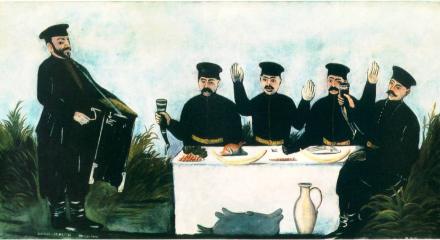
Over the course of a brief and often impoverished life, self-taught Georgian artist Niko Pirosmani (Niko Pirosmanashvili) (Georgian: ნიკო ფიროსმანი) produced an immense number of paintings, many of which have been lost over time. Posthumously, his reputation grew when his naïve style became admired in the art circles of Paris after the end of the First World War. Naïve art is a … Continue reading
About Sights – Shatili
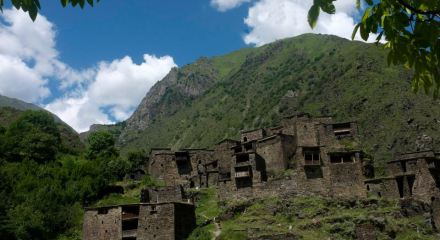
Shatili (Georgian: შატილი) is an historic highland village located in the deep Arghuni gorge on the northern slope of the Greater Caucasus mountains near the border with Chechnya. Once part of the historical Georgian province of Upper Khevsureti, it is now part of the modern-day region of Mtskheta-Mtianeti. The village is actually a cluster of fortified flat-roofed stone dwellings and … Continue reading
About Literature – Vazha-Pshavela
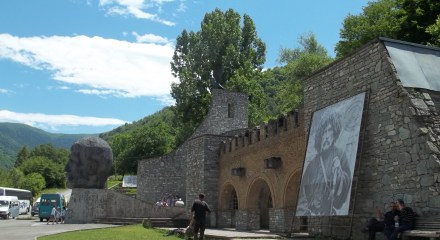
Vazha-Pshavela (pseudonym of Luka Razikashvili) is considered to be one of the greatest Georgian poets. As a nature admirer, Vazha-Pshavela knows no comparison in Georgian poetry. His finest works are considered to be the tragic narrative poems “Host and Guest” (1893) and “The Snake-Eater” (1901) that combine Caucasian folk myth with human tragedy. You can find an English … Continue reading
About Shopping – Tbilisi Outdoor Art Market
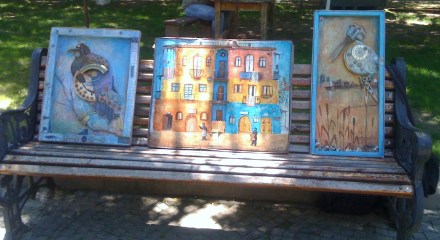
The open-air Dry Bridge Market by the Mtkvari river (on the “Dry Overpass” and surrounding areas) has become the city’s unofficial art bazaar. Here you can find paintings, sculpture, beautiful carvings, exquisite icons, pottery and fabrics. The work is amazing and prices are reasonable.
About Culture – Georgian Dance
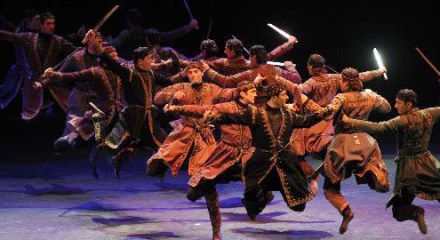
Two beautiful bronze statues were recently erected at the entrance to the Djansug Kakhidze Garden, which is situated just off the Agmashenebli Avenue in Tbilisi. The statues are of Iliko Sukhishvili and his wife Nino Ramishvili, founders of the Georgian National Ballet. It is due to their efforts that Georgian national dancing and music has become … Continue reading





















 Georgia About